
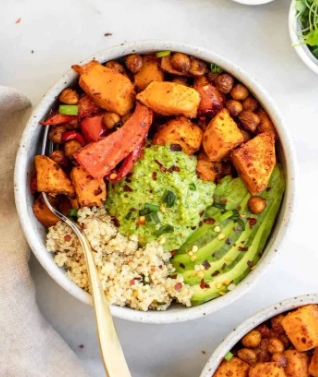
What is the Anti-Inflammatory Diet?
Your immune system becomes activated when your body recognizes anything that is foreign—such as an invading microbe, plant pollen, or chemical. This often triggers a process called inflammation. Intermittent bouts of inflammation directed at truly threatening invaders protect your health.
Inflammation is your body’s natural defense against injury or infection — think of it like your immune system’s “red alert.” Short bursts are healthy, but chronic inflammation (when it never really turns off) is linked to issues like arthritis, heart disease, diabetes, and even certain cancers.
Sometimes inflammation persists, day in and day out, even when you are not threatened by a foreign invader. That’s when inflammation can become your enemy. Many major diseases that plague us—including cancer, heart disease, diabetes, arthritis, depression, psoriasis, eczema, Crohn’s disease, colitis, and Alzheimer’s—have been linked to chronic inflammation.
The anti-inflammatory diet isn’t a “fad” diet — it’s more of a way of eating that focuses on foods proven to help reduce inflammation and avoid foods that trigger it. The anti-inflammatory diet is not a specific regimen but rather a style of eating. The Mediterranean diet and the DASH diet are examples of anti-inflammatory diets.
Benefits of Anti-Inflammatory Diet
In addition to lowering inflammation, a more natural, less processed diet can have noticeable effects on your physical and emotional health. To reduce levels of inflammation, aim for an overall healthy diet. If you’re looking for an eating plan that closely follows the tenets of anti-inflammatory eating, consider the Mediterranean diet, which is high in fruits, vegetables, nuts, whole grains, fish, and healthy oils.
Benefits of the Anti-Inflammatory Diet Include:
- Clearer skin
- Decreased muscle and joint pain
- Fewer headaches
- Improved gastrointestinal symptoms – less gas, nausea, stomach pain
- Improved sleep
- Less anxiety and stress
- Less bloating
- Lower blood pressure
- Lower blood sugar
- More energy·
- Weight loss
Foods to Avoid (Inflammation Triggers)
- Refined Sugars & Processed Snacks
- Candy, soda, pastries, packaged cookies, white bread, sugary cereals.
- Refined carbohydrates
- White bread and pastries
- Fried & Fast Foods
- Deep-fried items, overly processed convenience meals.
- Processed Meats
- Bacon, sausage, hot dogs, deli meats — high in inflammatory compounds.
- Excessive Red Meat
- Especially processed or charred; choose lean cuts and eat in moderation.
- Refined Oils
- Vegetable oil, soybean oil, corn oil — high in omega-6s that can fuel inflammation if not balanced with omega-3s.
- Highly Processed Packaged Foods
- Chips, crackers, frozen pizza, instant noodles.
- Excess Alcohol
- A glass of wine here and there is okay, but excess can trigger inflammation.
- High fructose corn syrup
- Full fat dairy
- Milk, cheese, butter, ice cream
What You Can Eat (The Inflammation-Fighting Foods)
Your goal is to eat mostly whole, colorful, plant-rich foods and healthy fats. Focus on whole, nutrient-dense, unprocessed foods. Prioritize foods rich in omega-3 fatty acids, antioxidants, fiber, vitamins, and minerals.
- Vegetables
- Aim for a rainbow — leafy greens (spinach, kale), cruciferous veggies (broccoli, Brussels sprouts), peppers, beets.
- Fresh, frozen, or lightly cooked is best.
- Fruits
- Berries (blueberries, strawberries, blackberries) are powerful anti-inflammatory superstars.
- Cherries, oranges, grapes, apples, pomegranates also pack antioxidants.
- Plant Based Proteins
- tofu, tempeh,
- Healthy Fats
- Extra-virgin olive oil, avocado, nuts (especially walnuts and almonds), seeds (chia, flax, pumpkin).
- Fatty fish: salmon, sardines, mackerel, tuna — rich in omega-3s.
- Whole Grains
- Oats, quinoa, brown rice, barley, whole wheat.
- Rich in fiber, which helps reduce inflammation.
- Legumes
- Beans, lentils, chickpeas — high in plant protein and fiber.
- Nuts
- Almonds, walnuts
- Herbs & Spices
- Turmeric (especially with black pepper), ginger, garlic, cinnamon — all have anti-inflammatory compounds.
- Green Tea
- Packed with antioxidants called catechins.
Tips for Success on the Anti-Inflammatory Diet
- Think “Add In” Before “Cut Out”
- Focus on adding more colorful plants, healthy fats, and whole foods before stressing over removing everything.
- Shop the Perimeter
- Most anti-inflammatory foods are found around the outside aisles of the grocery store — produce, seafood, dairy alternatives, fresh proteins.
- Meal Prep & Batch Cook
- Having cooked grains, chopped veggies, and healthy proteins ready makes it easier to avoid convenience junk food.
- Spice It Up
- Use turmeric, ginger, garlic, and herbs daily for flavor and benefits.
- Watch Your Sugar Intake
- Even “natural” sugar in large amounts (like fruit juice) can be inflammatory — focus on whole fruits instead.
- Aim for Balance
- Don’t stress if you have a “non-approved” food now and then — it’s the long-term pattern that matters.
- Stay Hydrated
- Water helps flush toxins and keep your body’s systems running smoothly.
- Water helps flush toxins and keep your body’s systems running smoothly.
Have you tried an Anti-Inflammatory Diet or thinking about trying one? Let me know in the comments, and I’ll be sharing a 7 Day Anti-Inflammatory Meal Plan soon.
 Christopher Ian