
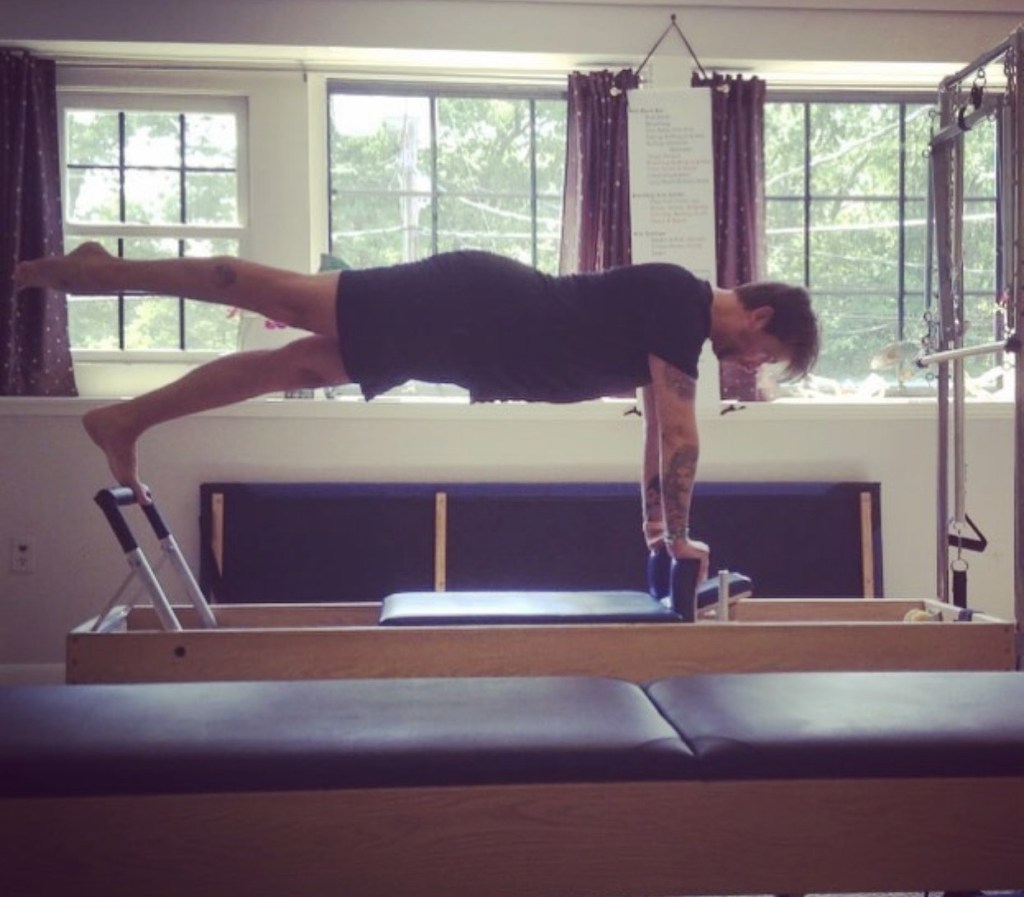
What to Expect from Your First Pilates Class
With many celebrities like Hailey Bieber, the Kansas City Chiefs, Kylie Jenner and more practicing Pilates, it’s getting more popular than ever. Whatever your reason for wanting to try a Pilates equipment class, you probably have many questions about what to expect from your first class. Such as what are the benefits of a Pilates practice? How should you dress for class? What should you bring with you to your class? What is all this torture looking equipment and what is it used for? And finally, what is a typical class like?
The Benefits of Pilates
There are so many benefits to doing Pilates. Many people think it’s just a bunch of core exercises, and while everything we do in Pilates does strengthen the core, it’s so much more than that. Everything that we do radiates from our center, or from our core, which in Pilates we call the “Powerhouse”. Pilates not only strengthens the core but also improves flexibility.
Pilates improves muscle tone, balances musculature, supports correct posture, and teaches you to move with ease and grace, while building flexibility and long, lean muscles, strength and endurance in the legs, abs, arms, hips, and back. The benefits of a regular Pilates practice include increased core strength, better spinal health, improved balance and posture, increased flexibility, improved joint health (because it’s low impact exercise), a deeper mind – body connection, and better body awareness.
Pilates Studio Tour
The difference between classical and contemporary Pilates is huge, and that can be a whole separate post, but the differences are huge and definitely matter when picking a studio or class to try.
Classical Pilates equipment is more challenging to work out on and designed true to Joseph Pilates designs. There are many differences in the equipment (see the video below for more.).
Classical Pilates usually are smaller classes so you will receive more individualized attention. You won’t feel lost. Most contemporary studios like Hi Li and Club Pilates are 12 or more. They pack them in to make more money and if you don’t have a good teacher, it can be easy to get lost in group classes and therefore possibly injured as the teacher can’t possibly watch or spot 12 people.
The Pilates Universal Reformer
The Reformer is the most recognized and most popular piece of equipment or apparatus in the Pilates studio. This is the central piece of equipment used in most Pilates classes and studios. The Universal Reformer, so called because it is used for “universally reforming the body”, creates a balanced workout that is great for everyone regardless of fitness level.
There are other equipment typically used at the end of a private such as the Cadillac or Towers that are used for what is known as individual needs but you may find classes like tower classes so the whole class could be done there. But you won’t find that in some contemporary studios, they usually only have reformers.
Invented by Joseph Pilates himself, the Reformer is a bed like piece of equipment with a moving carriage. The carriage is attached to springs that give resistance to the exercises performed on the Reformer. The Reformer has straps that both the hands and feet can be placed in for various exercises. Exercises on the Reformer are done laying down, sitting and even standing. The Reformer offers all of the Pilate’s benefits including overall strength, flexibility, coordination and balance.
Watch the video below to take a tour of the reformer and all of it’s moving parts.
What to Wear and Bring to Pilates Class
For your comfort and ease of performing the exercises it is best to wear clothes that are more form fitting. Yoga pants or leggings and a tank top are perfect as they allow the instructor to see how your body moves so they can check alignment and offer adjustments as needed.
Avoid clothes that have zippers, toggles, etc. and leave your jewelry at home. These things have been known to cause tears or holes in the upholstery of the equipment and can even get caught in the equipment. Exercises on the Pilates Equipment are done in bare feet or with socks that have grippy textures on the bottom. Bring a towel to wipe any sweat as well as a bottle of water to keep yourself hydrated during your workout. Some studios will provide these items, but most often studios do not, so it’s best to be prepared and bring your own
What a Typical Pilates Class is Like
I suggest arriving early to your first session. The studio may have paperwork or intake forms for you to fill out prior to your session. A good Pilates teacher will meet with you prior to your session to learn about your body, ask if you have any challenges or injuries so that they can adjust the class to your needs. Also, they might want to know your goal for trying Pilates. Be honest and open about all of these because it helps the teacher to better plan the class for your and all involved, offering modifications and progressions as needed.
Typical Pilates sessions are 50 minutes in length. The work on the apparatus focuses on a full body workout with small and controlled movements using the springs for resistance. Your session on the Reformer will be a full body workout. Classes typically start off with a warmup while lying down. As the class progresses you will focus on specific muscle groups through exercises that have you lying down, sitting, standing and even being in an inverted position.
Pay attention to the instruction and cues of your instructor. Their cues are important to make sure you are performing the exercise correctly, that your form is good and safe, and will help to make sure you are targeting the right muscles you should be using. Expect a lot of hands-on instruction in your session. Most teachers like to help adjust the body so you can reap the full benefits of the exercises on the equipment as well as focus on proper body alignment. That is that individual attention that you might not find in those big box studios.
Most classes start with footwork and with the feet and legs in different positions. Then you’ll move onto The Hundred which is a great core exercise to warm up the body. Then you may do more abs before moving up the body to the arms. Eventually, you’ll move to the box for more arms and abs before finishing up with feet in straps and some stretching at the end.
Conclusion
I hope that this helps you feel better prepared for your fist Pilates class. We all had to start somewhere so don’t feel that you are ready to try Pilates. I often hear from people that they want to try Pilates but they don’t feel “thin enough” or “strong enough” or “flexible enough” to try a class. Pilates doesn’t ask for any of those things, it just asks you to show up and meet your body where it is right now. Strength and flexibility will come because you start and consistently practice Pilates.
See you in the studio!
 Christopher Ian